

Charitable giving is a meaningful way to leave a lasting impact on causes that matter to you. Many people donate money, stocks, or real estate to charities during their lifetime. However, life insurance offers a unique and often overlooked method of giving that can maximize your contribution.
By using life insurance as a charitable giving tool, you can provide significant financial support to your chosen nonprofit, often far beyond what you could donate during your lifetime. Life insurance also allows you to contribute in a tax-efficient way, ensuring that your generosity benefits both your chosen cause and your overall financial strategy.
This strategy is particularly useful if you want to make a large gift without affecting your current assets. Whether you have an existing policy or want to purchase a new one, structuring a life insurance donation can ensure your legacy continues for years to come.

How Life Insurance Can Be Used for Charitable Giving
There are several ways to structure charitable giving through life insurance. Each method offers unique benefits, depending on your financial goals and tax planning strategy.
1. Name a Charity as the Beneficiary
One of the simplest ways to give is by naming a charity as the beneficiary of your life insurance policy. Upon your passing, the charity will receive the death benefit.
- No impact on current assets – You maintain control of your assets during your lifetime.
- Simple process – Updating a beneficiary designation is straightforward and does not require legal documents.
- Potential estate tax benefits – The death benefit is removed from your taxable estate, reducing estate taxes.
Example: If you have a $250,000 life insurance policy and name a nonprofit as the beneficiary, the organization will receive the full amount upon your passing without going through probate.
2. Transfer Ownership of an Existing Policy to a Charity
If you own a life insurance policy you no longer need, you can donate it by transferring ownership to a nonprofit organization.
- Immediate tax deduction – You may be eligible for a tax deduction based on the policy’s fair market value or cash surrender value.
- Future premium payments as tax deductions – If you continue making premium payments, these may be deductible as charitable donations.
- Permanent donation – The charity becomes the legal owner, ensuring the funds will be used for their mission.
Example: A retired couple transferred ownership of a paid-up $100,000 policy to a local hospital foundation. They received an immediate tax deduction, and the hospital secured long-term funding for its patient care programs.

3. Purchase a New Life Insurance Policy for the Charity
Another option is to take out a new life insurance policy with a charity as both the owner and beneficiary. This method is ideal if you want to make a large gift but do not have significant assets available for donation.
- Affordable giving strategy – Small premium payments can result in a large future gift.
- Tax deductions for premiums – Since the charity owns the policy, your premium payments may be tax-deductible.
- Guaranteed charitable impact – The charity receives the full death benefit regardless of market conditions or economic fluctuations.
Example: A business owner wanted to support a nonprofit that helps veterans. He purchased a $500,000 life insurance policy with the charity as the owner and beneficiary. Over time, his premium payments amounted to less than $100,000, but the organization will receive the full $500,000 upon his passing.
4. Use Life Insurance to Replace Donated Assets
If you plan to donate valuable assets, such as stocks, real estate, or a portion of your estate, you can use life insurance to ensure your heirs are not financially disadvantaged.
- Preserve family wealth – Your heirs receive the full value of your estate through a separate life insurance policy.
- Maximize your giving potential – You can donate high-value assets while still providing financial security for loved ones.
- Tax-efficient strategy – Proper planning can reduce estate and inheritance taxes.
Example: A philanthropist donated a $1 million property to a charitable foundation. To compensate his heirs, he purchased a $1 million life insurance policy, ensuring they still received an equivalent inheritance.
Tax Benefits of Charitable Giving Through Life Insurance
Charitable giving through life insurance provides several tax advantages, making it an attractive option for donors.
- Income Tax Deduction – If you transfer ownership of a policy to a charity, you may be eligible for a tax deduction based on its fair market value.
- Estate Tax Reduction – Naming a charity as a beneficiary removes the death benefit from your taxable estate, potentially lowering estate taxes.
- Deductible Premium Payments – If a charity owns the policy, ongoing premium payments may qualify as tax-deductible donations.
Tax laws can be complex, and deductions vary based on your situation. Always consult a financial advisor or tax professional to ensure compliance with IRS regulations.
Choosing the Right Charity
Before donating a life insurance policy, research your chosen charity to ensure they align with your values and financial goals.
- Confirm Tax-Exempt Status – The organization should be a registered 501(c)(3) nonprofit.
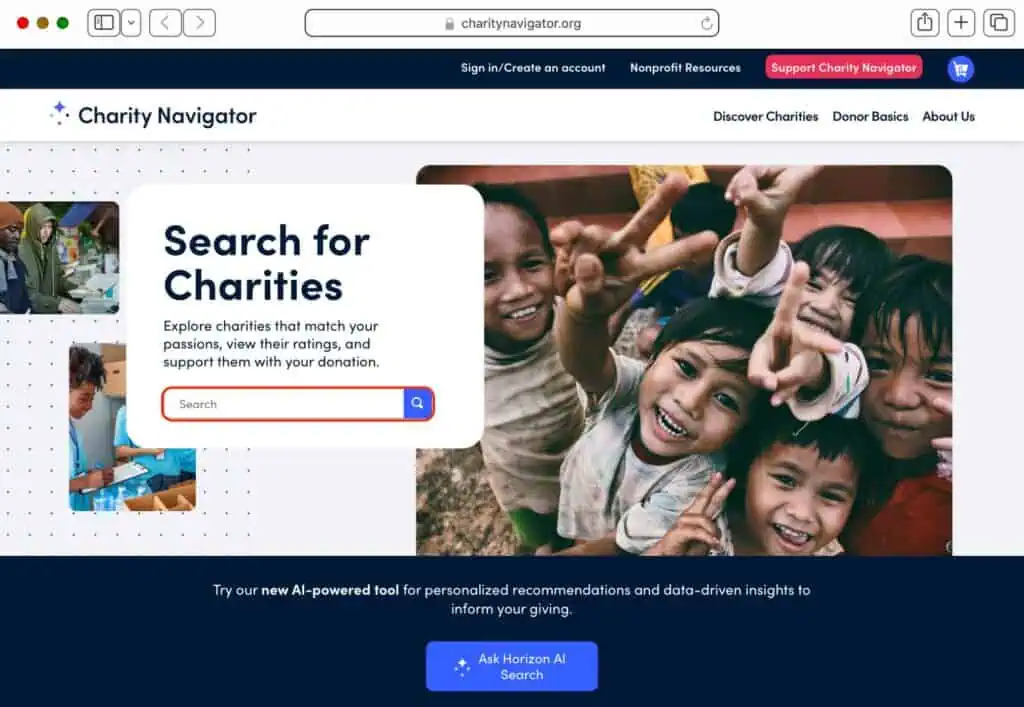
- Check Financial Health – Use resources like Charity Navigator (www.charitynavigator.org) or GuideStar (www.guidestar.org) to evaluate financial transparency.
- Discuss Acceptance Policies – Some charities may have restrictions on accepting life insurance policies. Contact them in advance to confirm their policies.
Things to Consider Before Donating
Before making a life insurance gift, keep these factors in mind:
- Your Financial Needs – Ensure that gifting a life insurance policy does not impact your financial security or family’s well-being.
- Policy Type – Whole life and universal life policies are generally better suited for charitable giving than term life policies.
- Potential Changes – If your financial situation or charitable priorities change, ensure you have flexibility in your giving strategy.
What to Do Next
If you’re interested in donating life insurance to charity, take these steps:
- Identify a cause or organization you want to support.
- Decide on the best donation method—naming the charity as a beneficiary, transferring ownership, or purchasing a new policy.
- Contact the charity to confirm they accept life insurance donations and understand their policies.
- Work with a financial planner or tax professional to assess the tax benefits and ensure compliance with IRS regulations.
- Update your life insurance policy to reflect your charitable intentions.
Secure Your Legacy with One Stop Financial Group
Charitable giving through life insurance is a smart way to make a lasting impact while taking advantage of tax benefits. Whether you want to support education, healthcare, or social services, life insurance allows you to create a meaningful legacy without affecting your current assets.
At One Stop Financial Group, we specialize in helping individuals and families structure their life insurance policies for charitable giving. Our financial experts will guide you through the process, ensuring your generosity benefits both your chosen charity and your financial plan.
Are you ready to explore how life insurance can help you support the causes you care about? Contact One Stop Financial Group today at (504) 300-8207 or visit www.onestopfinancialgroup.net to schedule a consultation. Let’s build a legacy that lasts.